Real Estate and Family Offices: Real Estate Investments in Changing Strategies
Real estate is the dominant asset class for family offices with 53% allocation. Multi-family is dominant, logistics is growing, office is being reduced. Direct ownership (65%) preferred.

- How to understand real estate at number one: real estate is the dominant Asset Class and use it for your capital stra...
- How to understand why real estate: the logic behind the 53% allocation and use it for your capital strategy
- How to understand sub-sectors: multi-family, logistics and the office decline and use it for your capital strategy
- How to understand origin of wealth and real estate: the connection and use it for your capital strategy
Real estate at number one: Real estate is the dominant asset class
A surprising finding for many: Although family offices are prominent in the tech and venture capital sectors, their largest investment category - by far - is real estate.
53% of all family office investments go into real estate.This is significantly more than in venture capital (12%), private equity (18%) or other alternative investments. This massive allocation is driven by several factors:
For founders, this means an important understanding: When you work with family offices, understand that many of these investors have their roots and largest amounts of capital in real estate. This shapes their risk culture and their expectations of investments.
Why Real Estate: The Logic Behind the 53% Allocation
Family offices focus on real estate for several strategic reasons:
- Tangibilität und Greifbarkeit:Unlike venture capital, where value is abstract, FO families can touch and see their real estate investments. This creates emotional and financial security.
- Inflation Hedge:Real estate has traditionally been an excellent hedge against inflation. Real estate rents and values rise with inflation.
- Stabile Cash Flows:While VC investments are volatile, real estate offers stable, predictable rental income. For conservative families, this is crucial.
- Legacy Asset:Real estate can be held for generations. A palazzo in Florence or an office building in Manhattan can stay in the family for 100+ years.
- Diversifikation:Real estate often has a low correlation with other asset classes (stocks, bonds). This reduces portfolio volatility.
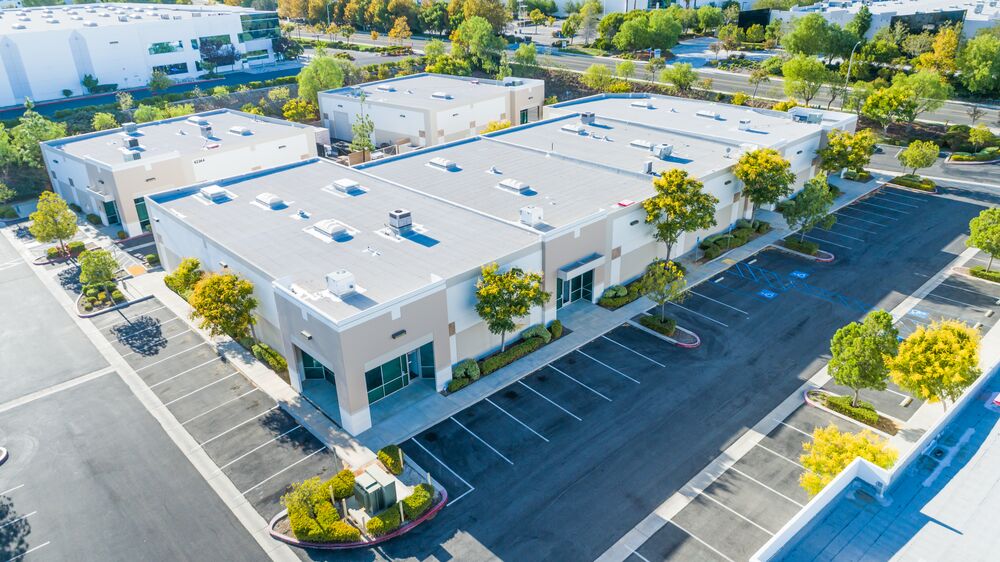
Commercial real estate portfolio
Sub-sectors: Multi-Family, Logistics and the Office Decline
Within real estate, FOs are not blindly diversified. Certain sub-sectors are preferred, while others - especially Office - lose importance.
Multi-Family Apartments (38%):Residential properties dominate the FO Real Estate portfolios. The reason is simple: consistent demand, stable rents, recession-resistant.
Industrial & Logistics (24%):A rapidly growing sector driven by e-commerce. Amazon and other logistics players need warehouse space. FOs recognize the secular growth trend.
Office real estate (18%):A traditionally important sector, but in decline. Remote work has reduced demand for office space. FOs reduce allocations here.
Retail (10%):Similar challenge to Office. E-commerce is reducing traditional retail space.
Hospitality (8%):Hotels and resorts are highly cyclical. Only specialized FOs actively invest here.
Origin of wealth and real estate: The connection
An interesting phenomenon:18% of family office families made their initial source of wealth in real estate.This means: For these families, RE is not just an investment, but also a spiritual return to the roots of their wealth genesis.
This fundamentally shapes decisions. A family that became rich through real estate development in the 1970s will now design its allocations with that history in mind.
Real estate provides the tangibility and multi-generational holding potential that family offices seek. For many FOs, real estate is not just an investment – it's the legacy asset class that defines family wealth.
ULI (Urban Land Institute) Real Estate Trend Report 2025
Real estate development and new construction projects
Direct ownership vs. funds vs. tokenization: The structures
How do FOs invest in real estate? The structures are different:
- Direktes Ownership (65%):The majority of FO Real Estate investments are direct ownership. A family buys a building or property and holds it for the long term.
- Fund-based (28%):FOs also invest through specialized real estate funds or partnerships.
- Tokenisierung & Alternative Strukturen (7%):A rapidly growing sector. Blockchain-based real estate tokens enable fractional ownership and better liquidity.
DACH region: residential real estate, commercial properties, logistics as trends
FOs see specific opportunities in Germany, Austria and Switzerland:
- Wohnimmobilien (Deutschland):With 9.5 million housing units in deficit, Germany is undersupplied t. FOs see long-term growth in residential RE.
- Gewerbeimmobilien (DACH):Specialized commercial spaces for tech, biotech, pharmaceuticals attract investments.
- Logistik (DACH):As Central European Hubs, Germany and Austria have significant logistics potential.
Tokenization: The Next Frontier for RE Investment
An emerging trend: Real Estate Tokenization. Blockchain enables fractional ownership and 24/7 manageability of real estate.
For traditional FOs this means:
- Bessere Liquidität:While traditional RE is illiquid, tokens offer more exit options.
- Lower Entry Barriers:With fractionalization, smaller FOs can also invest in premium real estate.
- Globale Märkte:Tokenized RE can be traded globally, without complex ownership structures.
Implications for real estate fundraisers and developers
If you develop or finance real estate, FOs are important potential investors:
- Multi-Family ist King:If you build residential, you have a large audience of FO investors. Office development is difficult to finance.
- Logistik wächst:The e-commerce tailwind is quietly strong. Logistics properties have excellent financing opportunities.
- Tokenisierung nutzen:FOs are interested in new structures. Tokenized offerings can be a differentiator.
- Langfristige Partnerships:FOs want to be long-term partners. Treat them not as transactional partners, but as decade-long investors.
Quellen & Studien
- NCREIF: Real Estate Index and Market Data
- INREV: European Real Estate Study 2025
- ULI: Emerging Trends in Real Estate Europe 2025
- Bain & Company: Alternative Investment Report 2025
- McKinsey: Global Real Estate Investment Report

Ready to take the next step?
CANVENA combines AI-supported investor data with structured capital advice - for investors and entrepreneurs who make evidence-based decisions.
Kostenloses Strategiegespräch →
What you now know — and how to use it
- You know the core concepts and can apply them directly to your situation
- You know which mistakes to avoid — saving you time and capital
- You understand how this building block fits into your overall strategy
Sources & Further Reading
This article is based on a review of leading expert literature and curated primary sources from the CANVENA source matrix — more than 60 core books and 120 online resources across all relevant fields from capital intelligence, family office, strategy and valuation.
Books
- Capital Without Borders — , Harvard University Press.
- Family Wealth — Keeping It in the Family — , Bloomberg Press.
- The Family Office Book — , Wiley.
- Wealth Management Unwrapped — , Wiley.
Online Resources & Industry Reports
- Global Family Office Report — Campden Wealth
- Global Family Office Report — UBS
- Family Office Trends Report — EY
Links are recommendations, not affiliated.
Related Services
Service Page
Capital Intelligence Platform →
Are Family Offices Your Capital Source?
In 30 min, learn whether family offices match your financing profile.